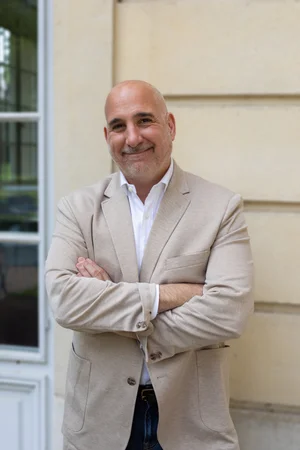
An original paper from 1846, and a question that has stayed with me for thirty years.
The first time I watched someone being anesthetized, I was a third-year medical student on a surgical rotation. It was 1996, and I'd recently completed my PhD in neuroscience. I knew something about how the brain worked, or at least how we understood it to work at the time. But nothing in my training prepared me for what I witnessed that morning.
A patient lay on an operating table, speaking and responding normally. Drugs were administered, and within moments, that person was no longer responsive to the world around them. The anesthesiologist continued with the ordinary business of preparing the patient for surgery. Everyone else in the room went about their work as if nothing had happened.
I found it almost impossible to comprehend.
Here was simultaneously the most extraordinary thing I'd ever witnessed and the most ordinary. After all, this was 1996. General anesthesia had been practiced for nearly 150 years. It happened thousands of times every day. What was the big deal? But I couldn't stop thinking about it.
What did it actually mean to be anesthetized? Was the patient unconscious in the conventional sense, or had the drugs produced some other state? What happened to awareness, to memory, to the experience of being alive? And how could drugs, acting on the brain, produce such a profound change so reliably?
Those questions followed me through my training in anesthesiology and into my research career. In 2003, with two colleagues at Massachusetts General Hospital, I published a review in the New England Journal of Medicine titled Mechanisms of Actions of Inhaled Anesthetics. It examined what we understood about the molecular and neural mechanisms underlying general anesthesia. We opened the article with a nineteenth-century description of surgery before anesthesia, written by a patient who'd endured an operation while fully conscious:
"Suffering so great as I underwent cannot be expressed in words . . . but the blank whirlwind of emotion, the horror of great darkness, and the sense of desertion by God and man, which swept through my mind, and overwhelmed my heart, I can never forget."
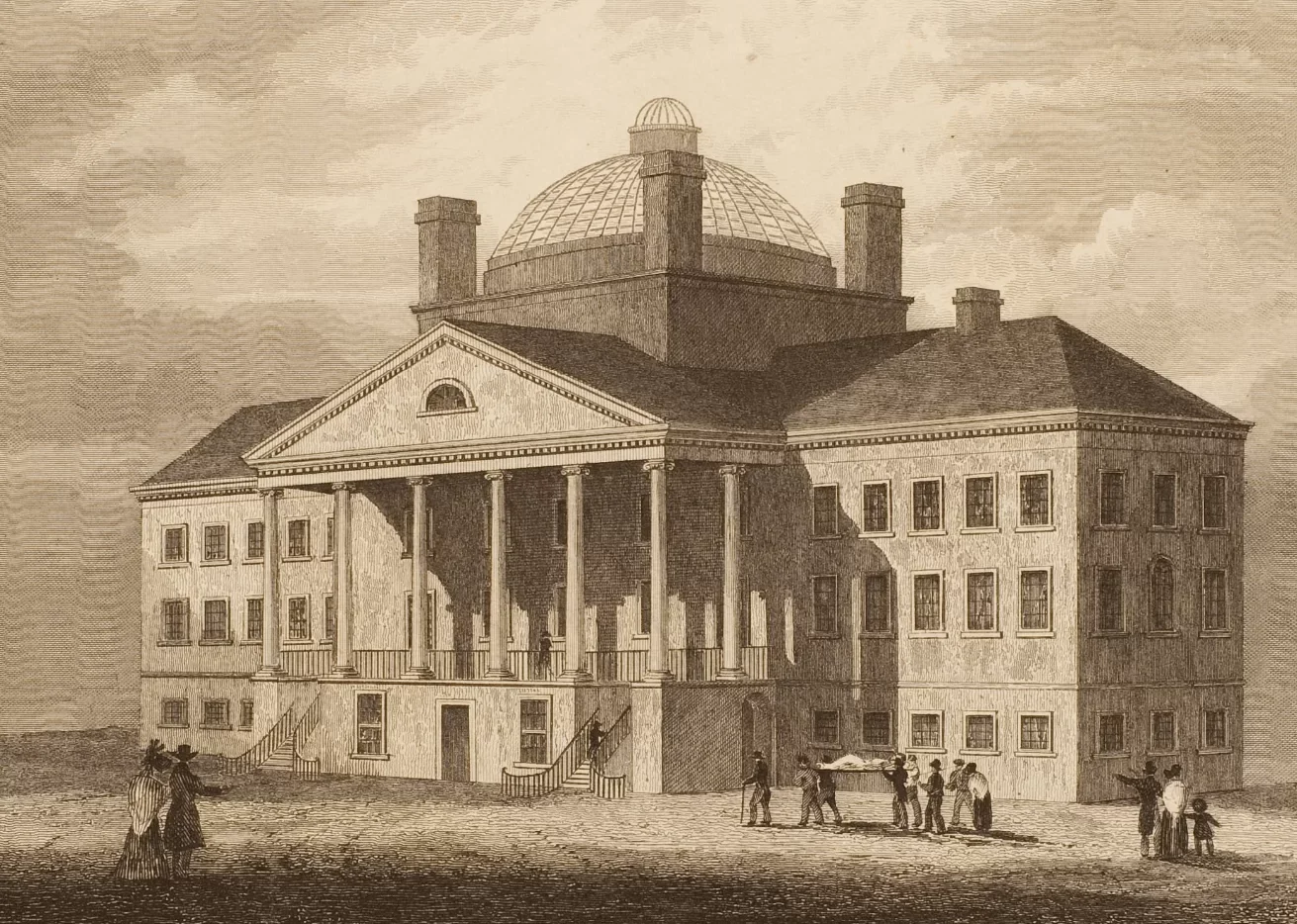
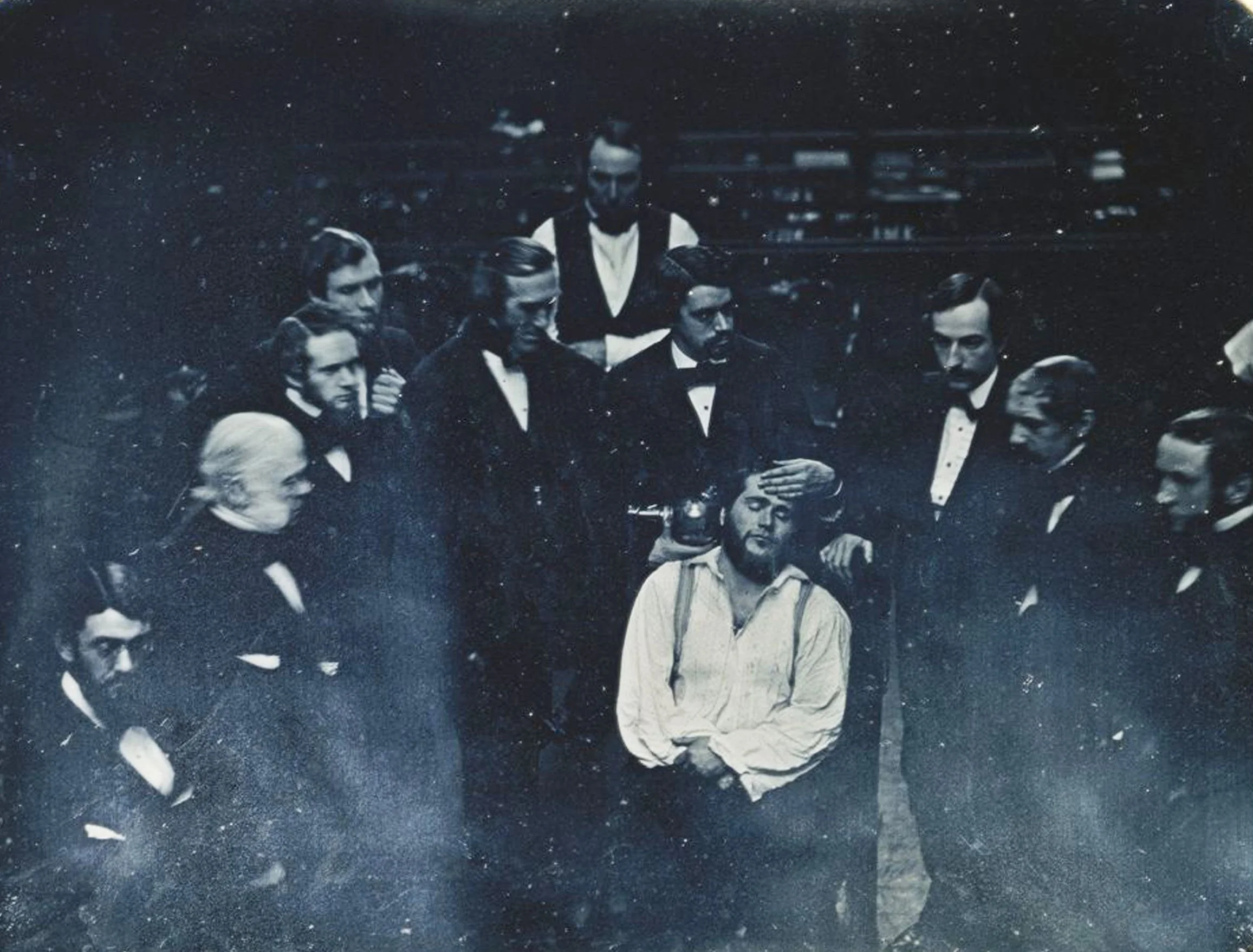
That description did more than stay with me. I had been searching for a way to understand just how different the world was before anesthesia, and when I found it, it changed me. For much of human history, surgery was inseparable from suffering. Patients faced operations knowing what awaited them, and surgeons worked as quickly as their skill and circumstances allowed. Then, on October 16, 1846, at Massachusetts General Hospital in Boston, William T. G. Morton publicly demonstrated the use of ether to render a patient insensible during surgery.
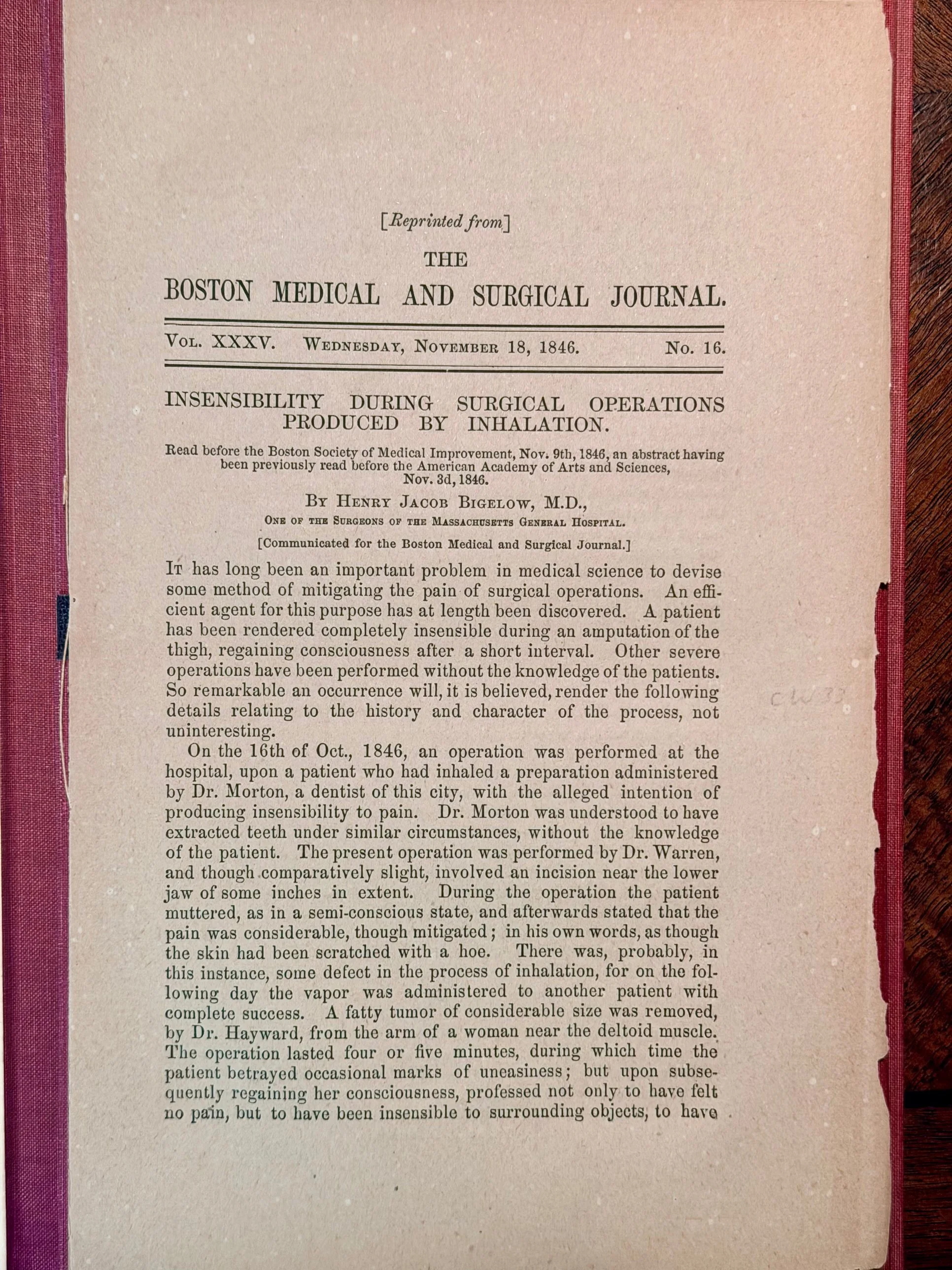
A few weeks later, Henry Jacob Bigelow published Insensibility During Surgical Operations Produced by Inhalation in the Boston Medical and Surgical Journal, the predecessor of the New England Journal of Medicine. His report described what had occurred and helped introduce surgical anesthesia to the medical world.
Around the same time as that NEJM article was published, I was wandering through an antiquarian book fair in Boston when I came across an original offprint of Bigelow's paper. Even on a resident's salary, I bought it. When I got home, I put on gloves, carefully removed the paper, and began reading. The pages were more than 150 years old. I was holding an original account of an event that had fundamentally changed medicine, written by someone who had witnessed its earliest demonstrations.
I closed my eyes and tried to imagine myself in that room in October 1846. I knew the operating theaters of Massachusetts General Hospital, including that particular room, now called the Ether Dome. I knew what induction of anesthesia looked like. But I tried to imagine what it must have meant to those physicians—who knew firsthand that conscious surgery meant suffering so great, an ordeal defined by "the horror of great darkness, and the sense of desertion by God and man"—to witness something entirely outside their experience: the profound absence of that agony.
What struck me was the simplicity of it: the patient lay still, the surgeon operated, the terrible suffering that everyone had come to expect simply did not occur. One of the most extraordinary moments in the history of medicine was defined by something that didn't happen.
Nothing happened.
But as I sat there with Bigelow's paper, another question began to trouble me. Why Boston? Why 1846? Ether had been known for centuries. Its effects had been observed long before Morton's demonstration. The chemistry was not particularly new, nor were the observations that certain substances could alter consciousness. So why had the intentional elimination of surgical suffering taken so long to become accepted? Why did it happen there, at that particular moment in history, rather than somewhere else?
That question sent me down an all-consuming rabbit hole, far beyond pharmacology and neuroscience and into the history of religion, medicine, and how societies have understood suffering. Two years later, I published The End of Religious Fatalism: Boston as the Venue for the Demonstration of Ether for the Intentional Relief of Pain.
My argument was that scientific discovery alone couldn't explain what happened in Boston. For centuries, suffering had been understood through religious and moral traditions that often treated pain as inevitable, meaningful, or even necessary. By the middle of the nineteenth century, those assumptions had begun to shift. Anesthesia required more than the ability to render a patient insensible. It required a society ready to believe that deliberately eliminating suffering was something medicine ought to do.
Bigelow's paper still sits in my office today, among the objects I've collected over a lifetime. I occasionally take it out and think about that room in 1846. And about the operating room where, almost 150 years later, I watched someone undergo anesthesia for the first time.
I had been astonished by something everyone around me took for granted.
Perhaps that's what has stayed with me most. How the extraordinary becomes ordinary, how easily we forget the world was once otherwise—and how easily it might have remained so.